
,
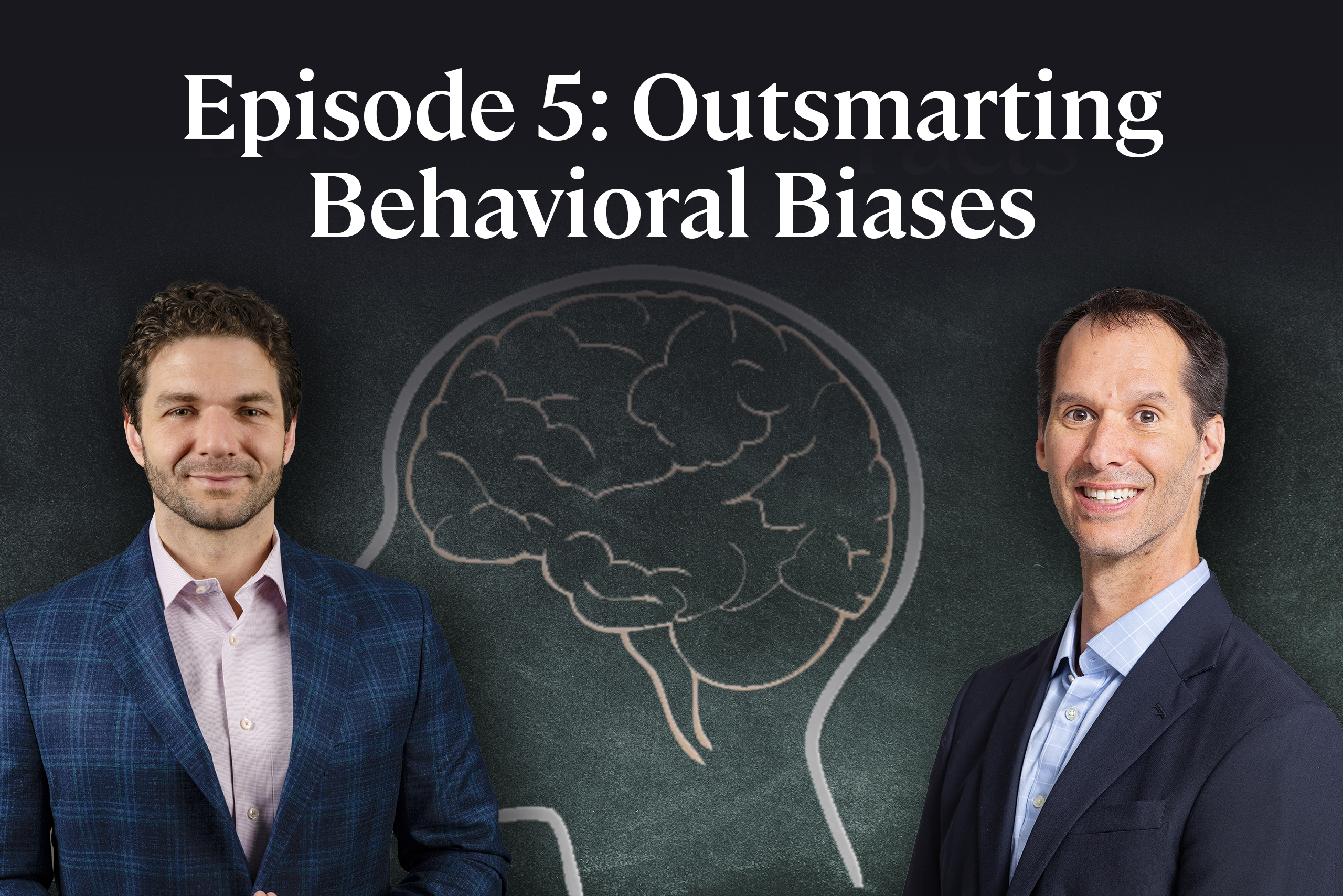
This session examines how behavioral finance principles impact retirement planning, giving financial advisors key insights into their clients’ decision-making processes. Jamie Hopkins and Eric Ludwig discuss important concepts like mental accounting, anchoring bias, and loss aversion, focusing on their effects on retirement strategies such as Social Security claiming and portfolio management. The speakers break down complex behavioral finance theories into practical applications that advisors can use to improve client outcomes. Topics include innovative approaches to framing retirement decisions, like using bucketing strategies and reframing Social Security benefits to address common client concerns. By understanding these behavioral finance principles, advisors can better guide clients through the emotional and cognitive challenges of retirement planning, leading to more effective and personalized financial strategies.
Learning Objectives
Upon successful completion of this learning activity, you will confidently be able to:
- Explain how behavioral finance concepts, such as mental accounting and anchoring bias, influence retirement planning decisions and demonstrate how to apply these insights to improve client outcomes.
- Analyze the impact of framing on Social Security claiming decisions and develop strategies to help clients make more informed choices by reframing the risks and benefits associated with different claiming ages.
- Identify common behavioral biases affecting longevity risk perceptions and implement techniques to address both overconfidence and underestimation of lifespan in retirement planning discussions with clients.
Presenters
Eric T. Ludwig, PhD, CFP®, RICP®
Jamie Hopkins, Esq., CFP®, ChFC®, CLU®, RICP®, LLM
CFP® CE Credit
This content is eligible for one hour of CFP® continuing education (CE) credit.
If you hold the CFP® mark and would like to receive CFP Board CE credit for this content, please ensure your CFP® ID number is entered here.
The College’s Professional Recertification Program (PRP)
This content is eligible for one hour of PRP continuing education credit.
To begin, click on the button below. As you move through the content, make sure to mark each page complete by clicking on the appropriate button, and then click Next Lesson at the bottom of each page. Once you complete the entire activity, the progress bar will show 100%.
Beating Biases in Retirement Planning
Please Rate This Course
After you’ve finished this learning, let us know what you think by providing a star rating. Here’s how to submit your star rating:
- Click on “Write a Review”
- Next to Rating, click on the number of stars you rate the course
- Click on “Submit a Review”